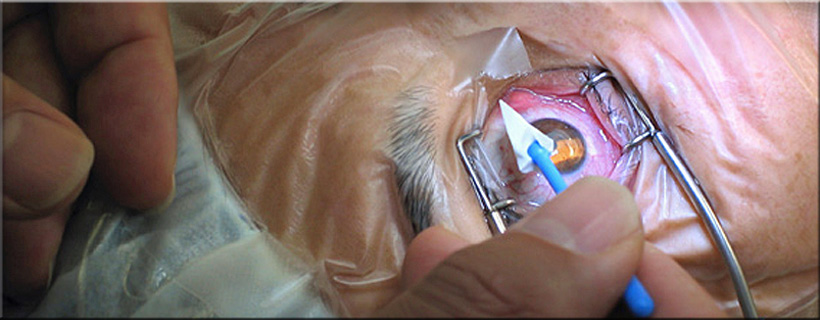

Evaluation, Referral, and Follow-Up
LASIK and Cataract Surgery Co-Management
How does eye-surgery co-management work?
1. Evaluation and goals
Your optometrist reviews your vision, prescription, eye health, medical history, daily activities, and expectations.
2. Surgical consultation
When surgery may be appropriate, the practice coordinates referral to an ophthalmic surgeon for candidacy, procedure, lens-option, benefit, and risk discussions.
3. Pre-operative coordination
Relevant examination findings and measurements can be shared with the surgical team according to the care plan and patient authorization.
4. Post-operative care
The surgeon and optometrist establish the follow-up schedule. Visits monitor healing, vision, eye pressure, medications, and concerns that may need surgical review.
What should I know about LASIK?
- Candidacy requires a comprehensive eye examination and consultation with a qualified surgeon.
- Prescription stability, corneal shape and thickness, dry eye, other eye conditions, medications, and general health may affect candidacy.
- Possible side effects include dry eye, glare, halos, double vision, blurry vision, and light sensitivity.
- Less common risks include infection, healing problems, and loss of vision.
What should I know about cataract surgery?
- An examination helps determine whether cataracts or another condition are affecting vision.
- The surgeon discusses timing, benefits, risks, measurements, and appropriate IOL options.
- Your vision goals, eye health, prescription, and daily activities help guide the treatment discussion.
- Follow-up checks healing, vision, medication use, eye pressure, and any new symptoms.
Common eye-surgery questions
Does Optima Optometry perform surgery?
No. An ophthalmic surgeon performs the procedure. Optima Optometry can provide evaluation, referral coordination, pre-operative support, and follow-up eye care when appropriate.
How do I know whether LASIK may be right for me?
LASIK candidacy requires an individualized eye examination and surgical consultation. Prescription stability, corneal measurements, eye health, general health, goals, and tolerance for risks and side effects all matter.
When is cataract surgery considered?
Cataract surgery may be considered when cataracts interfere with activities such as reading, driving, or watching television. Timing, benefits, risks, and lens options should be discussed with the eye-care team.
Will I still need glasses afterward?
Possibly. Vision outcomes vary, and some people still need glasses or contact lenses after LASIK or cataract surgery. Your eye-care team can discuss realistic goals based on your eyes and treatment plan.
What should I do after surgery if something feels wrong?
Follow the surgical team's instructions
Use prescribed medicines and attend follow-up visits exactly as directed. Contact the surgical team promptly for unexpected or worsening pain, redness, discharge, or vision changes. Use the emergency instructions supplied by your surgeon rather than email or an online form.