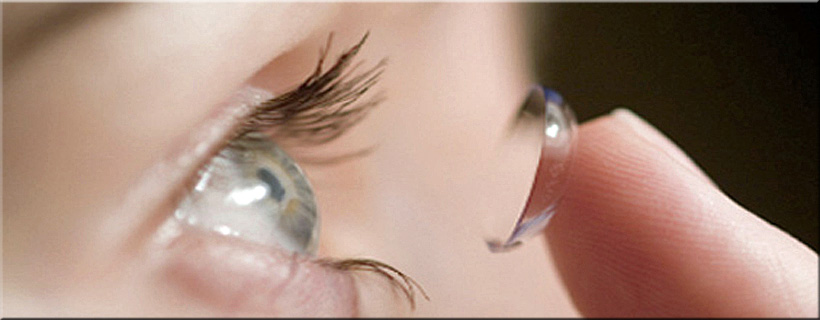

Personalized Lens Selection and Evaluation
Contact Lens Exams and Fittings in Santa Clara
What does a contact lens fitting include?
- Eye, medical, medication, and contact lens history
- Vision and contact lens prescription testing
- Corneal curvature and eye-surface measurements
- Tear-film and comfort evaluation
- Trial-lens position, movement, and vision assessment
- Insertion, removal, wear, replacement, and care guidance
What happens after trial lenses are selected?
Common contact lens fitting questions
Is this different from an eye exam for glasses?
Yes. In addition to evaluating eye health and prescription needs, a contact lens fitting uses specialized measurements and trial lenses to assess vision, comfort, lens position, and movement on the eye.
What should I bring?
Bring your current glasses, contact lenses, lens boxes or prescription if available, cases and solutions you use, a medication list, and details about any comfort or vision concerns.
Why might I need a follow-up?
A follow-up lets the optometrist assess vision, comfort, lens position and movement, and the eye surface after you have worn the trial lenses. The lens, prescription, or care plan may then be adjusted.
Do colored lenses require a prescription and fitting?
Yes. All contact lenses, including decorative or colored lenses, are prescription medical devices. A valid prescription, proper fit, and care instructions help reduce the risk of eye injury or infection.
When should a contact lens wearer seek prompt care?
Remove the lenses and contact an eye-care professional
If you develop eye pain, redness, light sensitivity, sudden blurry vision, or unusual discharge, remove your contact lenses and contact an eye-care professional promptly. Do not rely on email or an online form for an urgent eye problem.
Related contact lens information
Contact lens types
Review lens materials, wear schedules, and replacement approaches.
Safe wear and care
Learn about contact lens hygiene, follow-up, and possible complications.